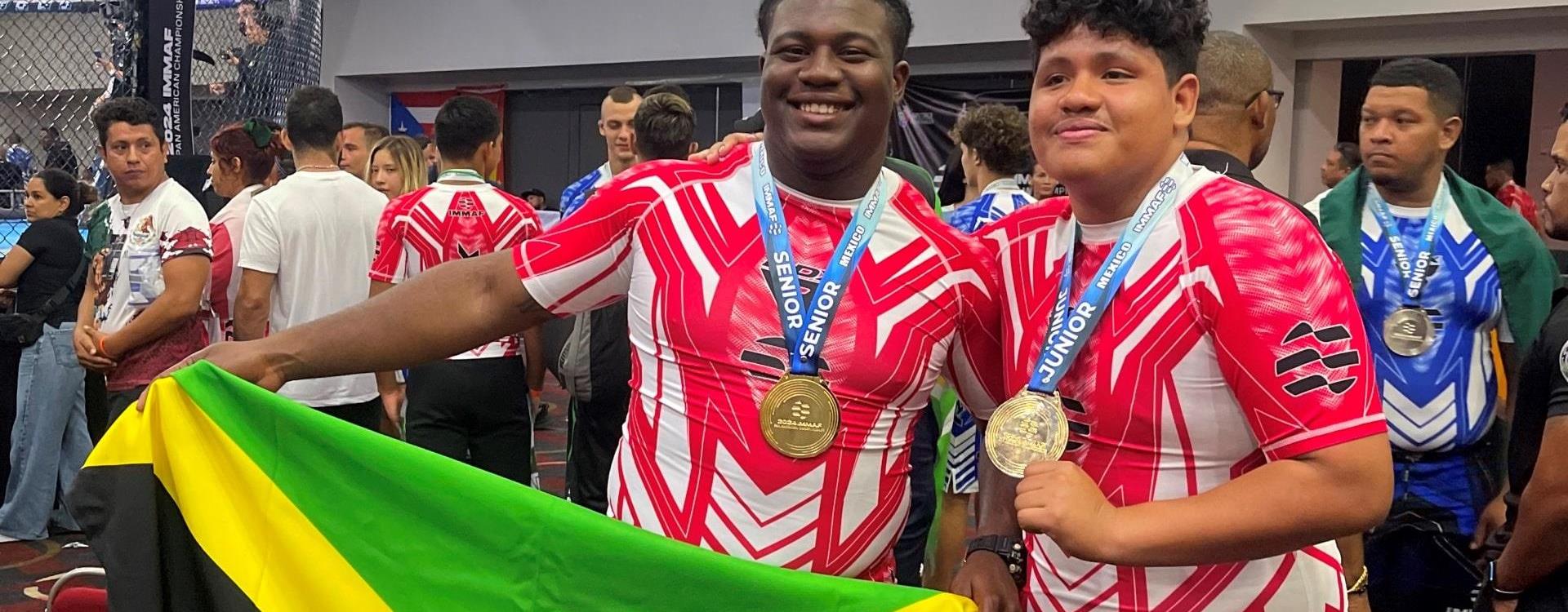

COMPETITION STRUCTURE
Competition is the ultimate test of skill in any sport, including mixed martial arts. MMA Jamaica applies a structured competition framework designed to support safe development, age-appropriate participation, and long-term athlete progression.
This structure provides clear guidance for clubs, event organizers, coaches, and athletes across all age groups, ensuring that participation levels, rules, and competition formats are suitable for each stage of development.
Technical Progression Scheme
MMA Jamaica applies a structured Technical Progression Scheme to support safe, consistent athlete development and to establish minimum technical standards across the sport.
The scheme helps coaches assess athlete progress, supports long-term participation, and ensures that athletes entering sanctioned competition have achieved an appropriate level of technical competence. Minimum grade requirements for specific events will be communicated in advance and outlined in the Event Handbook.
Coaches may conduct grading assessments formally or informally, including breaking assessments into smaller technical components over multiple sessions where appropriate. A recommended minimum pass standard of 80% per technical element is advised to encourage skill mastery and continued development.
Guidelines For Young Beginners
Introducing children to MMA can be the start of a lifelong journey when done correctly. For young beginners, the coach plays a critical role in ensuring that training is safe, age-appropriate, and enjoyable, encouraging long-term participation rather than early dropout.
1. Focus on Fundamental Skills
Young beginners arrive with varying physical abilities and confidence levels. Coaches should prioritize basic motor skills, balance, coordination, and cooperation before introducing MMA-specific techniques—especially as many drills involve working with a partner.
2. Use Age-Appropriate Training
Children develop physically and emotionally in stages. Training methods and exercises must be matched to the child’s age and developmental level to support healthy growth and learning.
3. Manage Age Differences Carefully
Large age gaps within beginner classes are not recommended. When pairing young athletes, coaches should consider physical maturity to avoid mismatches between early and late developers.
All youth MMA training should be delivered by appropriately qualified coaches. MMA Jamaica emphasizes safety, enjoyment, and long-term athlete development over early competition or specialization.
Guidelines For Youth Events
MMA Jamaica recognizes grassroots competition as a vital part of long-term athlete development. While competition naturally involves winning and losing, youth MMA events must primarily support the physical, psychological, and social development of young athletes.
Youth competitors are not simply smaller versions of adults. Youth MMA serves as an introduction to the sport and must provide a safe, structured learning environment that allows talent to be identified and nurtured over time.
Key principles guiding youth MMA events include:
For these reasons, MMA Jamaica requires minimum technical standards, technical restrictions, and modified rules for all sanctioned youth events.
Athlete safety is the primary concern in youth competition. Youth MMA events must apply age-specific technical restrictions that introduce the sport progressively.
Key requirements include:
Youth competitions operate under modified rules designed to reduce complexity and prevent domination through strength alone. This approach allows athletes more time to develop proper technique and decision-making.
MMA Jamaica encourages organisers to clearly distinguish youth MMA from professional combat sports and avoid negative stereotypes.
Recommended terminology includes:
This reinforces a respectful, sport-focused environment.
To promote consistency and professionalism at youth events:
Uniform standards help reinforce identity, fairness, and event structure.